From Static to Dynamic: How AI-Powered Adaptive Brand Identity is Transforming Design in 2025

The Old Way Is Dead: Why Static Branding Can't Keep Up
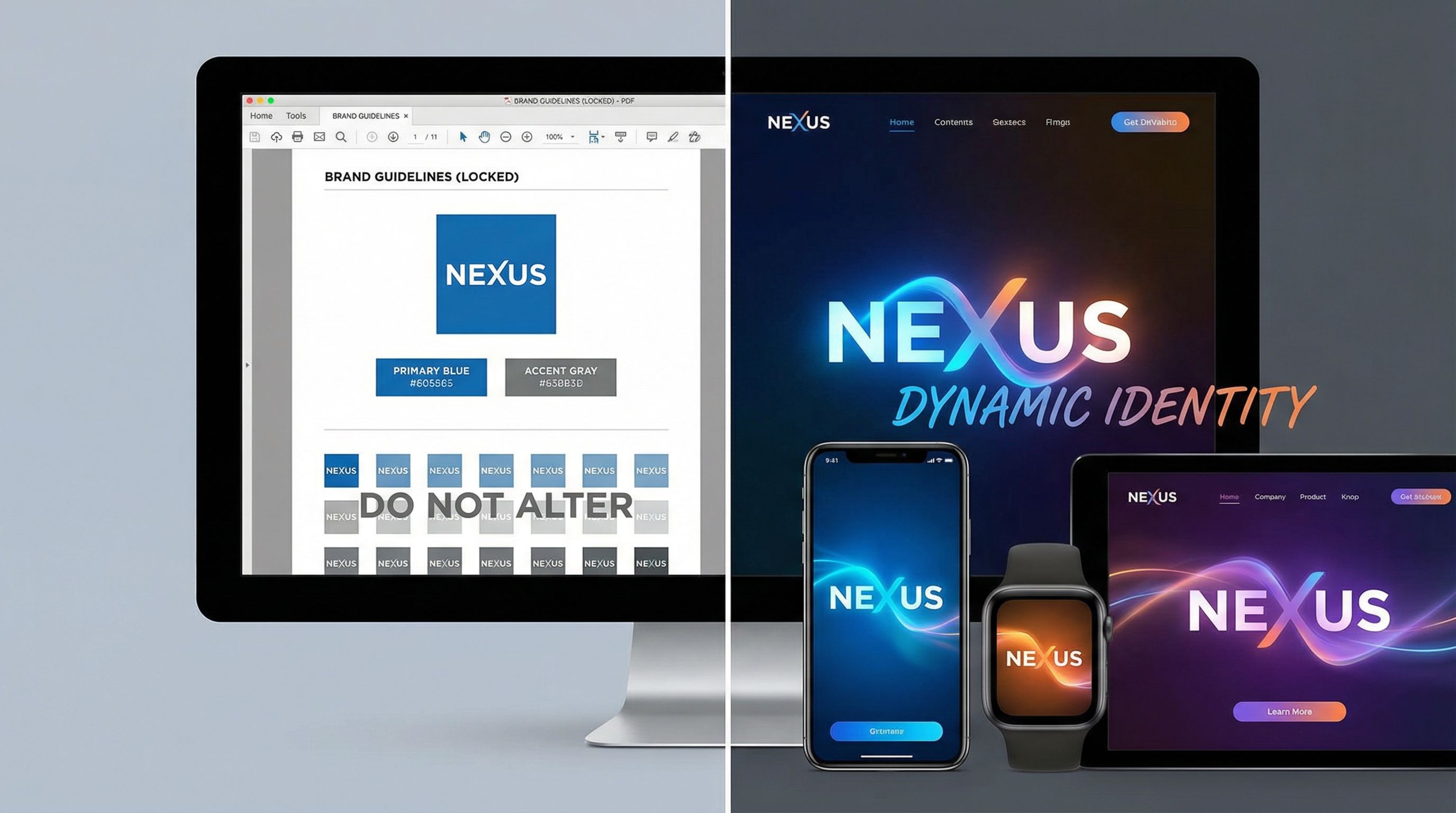
For decades, brand identity was a fixed thing. You had your logo. Your color palette. Your typography system. Everything got locked into a PDF brand guide that became outdated before the ink dried.
This approach worked in a world of controlled touchpoints—print, billboards, maybe a basic website. But in 2025? We're drowning in channels. Apps, social feeds, email, voice interfaces, AR experiences, VR stores. Your brand needs to be everywhere, instantly, and it needs to feel alive.
According to How AI Is Rewriting the Future of Brand Identity, AI is transforming brand identity from a static asset into a dynamic system that feels alive, constantly learning, responding, and evolving. This isn't incremental change—it's a fundamental shift in how brands should exist in culture.
The problem with static identity? It treats your brand like a museum piece instead of a living organism. It assumes consumer preferences won't shift. It ignores real-time cultural moments. And frankly, it wastes designer talent on gatekeeping instead of strategy.
What if your logo could subtly shift its warmth based on seasonal trends? What if your color palette adapted based on where your audience was—darker tones at night, brighter at morning? What if your brand voice evolved alongside your users?
That's not science fiction. That's 2025.
AI as Your Brand Co-Pilot, Not Your Brand Designer

Let's be clear about something: AI isn't replacing designers. It's changing what designers do.
I've watched thousands of designers struggle with production drudgery—resizing assets, generating color variants, creating the 47th iteration of a social media template. It's soul-crushing work. And it's where AI shines brightest.
In 2025, over 4,800 new generative AI tools launched in 2024 alone—averaging 13 new AI tools per day. Adobe Firefly, Canva AI, Midjourney, and others have embedded AI directly into the platforms designers already use daily. Figma now has AI-powered design suggestions. Adobe's Generative Fill works natively inside Photoshop.
The shift is profound: AI moved from standalone tools to embedded co-pilots. You're not switching between apps anymore. The AI assistance is inside your workflow.
Here's how to think about it: AI handles the execution layer. You handle the strategy layer.
You decide the brand's emotional core—is it bold or subtle? Warm or cool? Trustworthy or playful? AI can then generate infinite variations within those parameters. You test which ones resonate. The AI learns your preferences and gets better at predicting what you'll approve.
This is hybrid creativity, and it's the only sustainable model for modern branding. According to The Big Shift: 2025 Graphic Design Trends Every Brand Needs, AI-assisted design has emerged as the primary hybrid creative workflow trend, with designers using data-driven testing frameworks to analyze visual variables beyond traditional metrics.
The designer becomes a trainer, teaching AI what your brand feels like. Then you let it play within those emotional boundaries. Your job shifts from execution to curation and strategy. That's a massive elevation of your role.
Adaptive Identity: The Logo That Changes Without Losing Itself
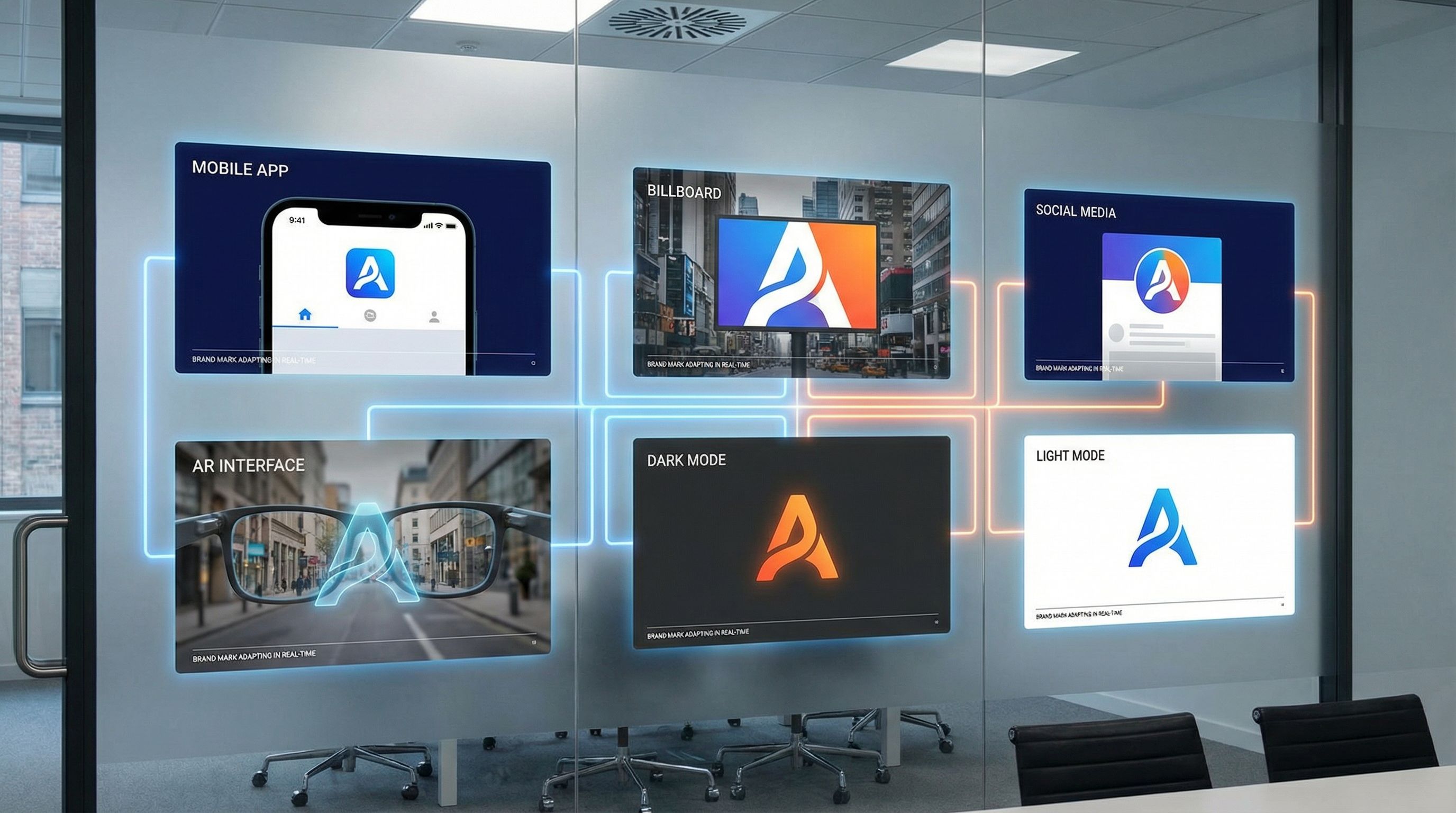
The most visible manifestation of AI-powered adaptive branding is the dynamic logo—a brand mark that evolves contextually while maintaining core recognition.
Imagine your brand logo isn't a single file anymore. It's a system. You define the core essence—maybe it's a geometric mark with specific proportions. But then you define how it can breathe: color ranges it can work within, proportions it can shift, animation behaviors it can express.
AI generates infinite variations—all of them recognizable as your brand, but each suited to its context. A warm, friendly version for a wellness app. A more formal, serious version for financial reports. An animated, playful version for social media. A minimalist, monochromatic version for small app icons.
This isn't chaos. It's controlled flexibility. The brand maintains identity while adapting personality.
How AI Is Changing Brand Identity in 2025 documents how companies now design identities that are adaptive, tailored, and personalized at scale while maintaining consistency across platforms. This is the sweet spot every brand wants: recognition without rigidity.
Here's what makes this work technically: you build a brand system with variables. Typography can scale from 12pt to 96pt, but always maintains proportion. Colors have primary, secondary, and accent ranges—but the relationships stay consistent. Spacing, stroke weight, corner radius—all parameterized.
AI fills in the infinite space between those parameters. Every variation feels like your brand because it is generated from your brand's core DNA.
The payoff? Speed. Consistency. Scalability. You can now support 50+ brand variations across markets, devices, and contexts without manually designing each one.
Personalization at Scale: One Design System, Infinite Expressions
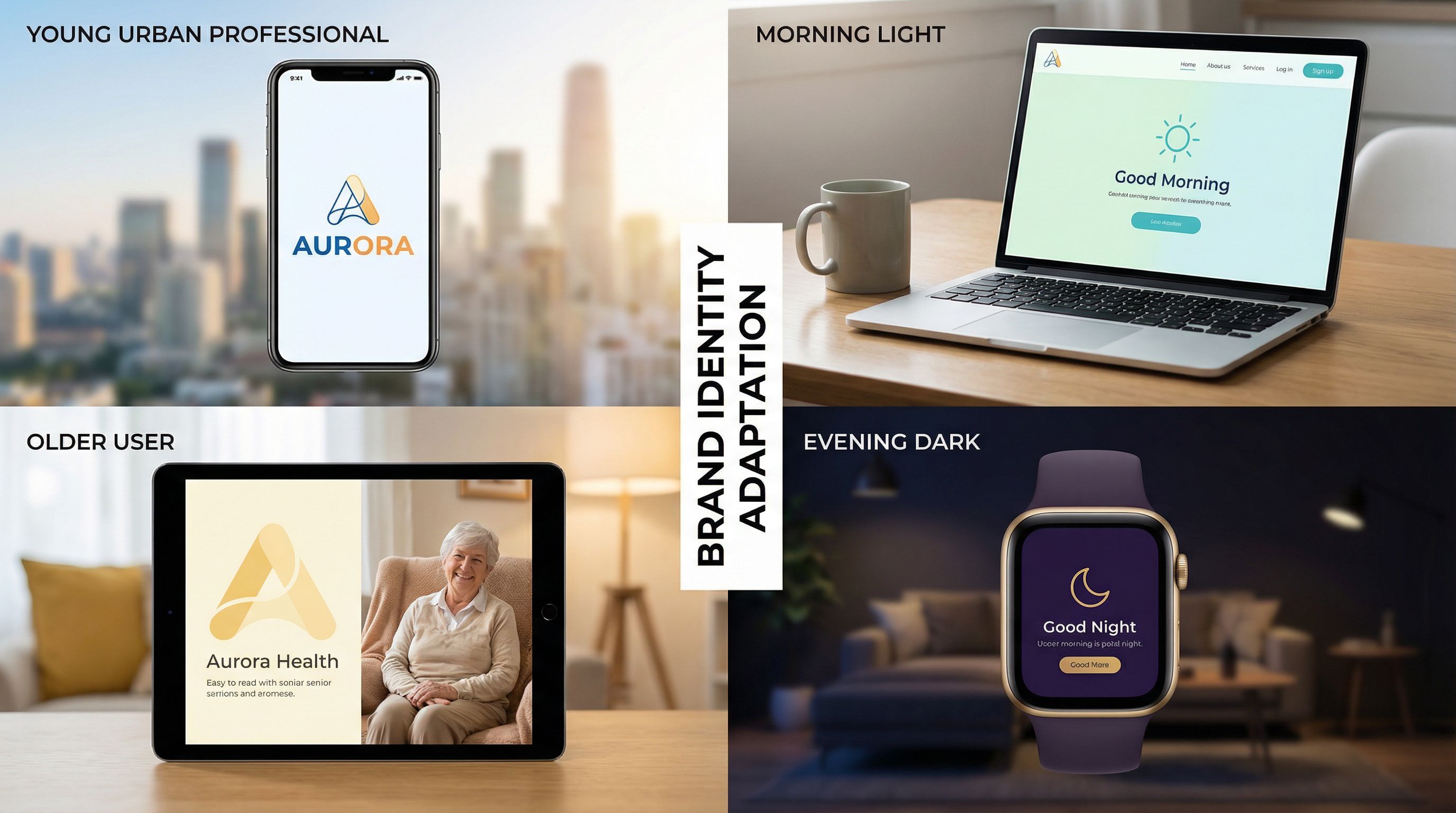
Static branding treats all audiences the same. Adaptive branding treats each person like they're worth designing for.
This is where AI's true power emerges. You're not just creating variations of your brand—you're creating responsive versions that change based on real user data.
A luxury fashion brand might appear premium and exclusive on its main website, but warm and accessible on TikTok Shop. Not because different designers worked on each, but because the adaptive system reads the context and adjusts.
Or consider a fitness app. For a user in their 60s, colors might be warmer, text might be larger, animations might be slower. For a 25-year-old, the same app can feel energetic with bolder colors and snappier motion. Same brand. Same identity. Infinitely personalized.
This is data-driven creative testing at scale. According to research on 2025 design trends, brands are now adopting data-driven creative testing frameworks that analyze visual variables (color palettes, animation intensity, photo style) beyond traditional metrics to improve design ROI.
Here's the workflow:
- Define your brand's core parameters: emotional tone, color philosophy, typographic voice, motion personality
- Create modular design components: buttons, cards, headers, footers that can be recombined
- Feed AI with user data: demographics, behavior, location, device, time of day, season
- Let AI compose layouts: AI generates personalized compositions using your modular components
- Test and learn: measure which variations drive engagement, convert better, build loyalty
- Iterate: update your brand parameters based on what works
The result? Brands that feel like they're designed specifically for you. Not generic. Not templated. Yours.
For designers, this means your time is spent on the strategic work: defining what should change, what should stay constant, and why. The busywork of generating dozens of variations? That's AI's job now.
Building Your Own Adaptive System: A Practical Framework

Let's get concrete. How do you actually implement adaptive branding in your design practice?
Start with an audit. Map every touchpoint your brand appears: website, apps, email, social, ads, packaging, physical spaces. Note where static identity currently fails—where it feels generic, where it doesn't connect with your audience, where you're manually maintaining inconsistency.
Then build your brand system using a parametric approach. Instead of designing individual assets, design rules. Here's an example:
Color system: Define primary, secondary, and accent colors. But also define their relationships. What happens when your primary color needs to feel more energetic? Less formal? The parameters shift, but the color relationship stays intact. Brand recognition doesn't break.
Typography: Choose a primary typeface and secondary typeface. But make them variable. Define how size scales across breakpoints. Define how weight changes for hierarchy. Set contrast minimums to maintain accessibility. Now every application of type is both personalized and accessible.
Motion language: Does your brand use motion? Define easing curves, animation duration ranges, and principles (does your brand feel bouncy? Smooth? Snappy?). AI can then generate infinite micro-interactions that all feel like your brand.
Imagery style: Define your photographic language—is it real people or illustrations? Bright or moody? Candid or posed? Set parameters around composition, color grading, and subject matter. Give AI a framework to work within.
Once your system is parametrized, you can feed it to AI tools. Platforms now exist that can generate brand assets within these constraints. Adobe's suite and Canva's AI features let you build templates that generate variations on command.
The magic happens when you connect these systems to data. Embed analytics hooks into your designs. Track which color palettes drive engagement. Which typography treatments improve readability. Which animation intensities feel most appropriate.
Over time, you build a feedback loop: design → test → measure → learn → refine system → design better variations.
This is design moving from art direction into something closer to engineering. You're designing systems, not individual assets. And that scales infinitely.
The Future: Sensory, Responsive, Always Evolving
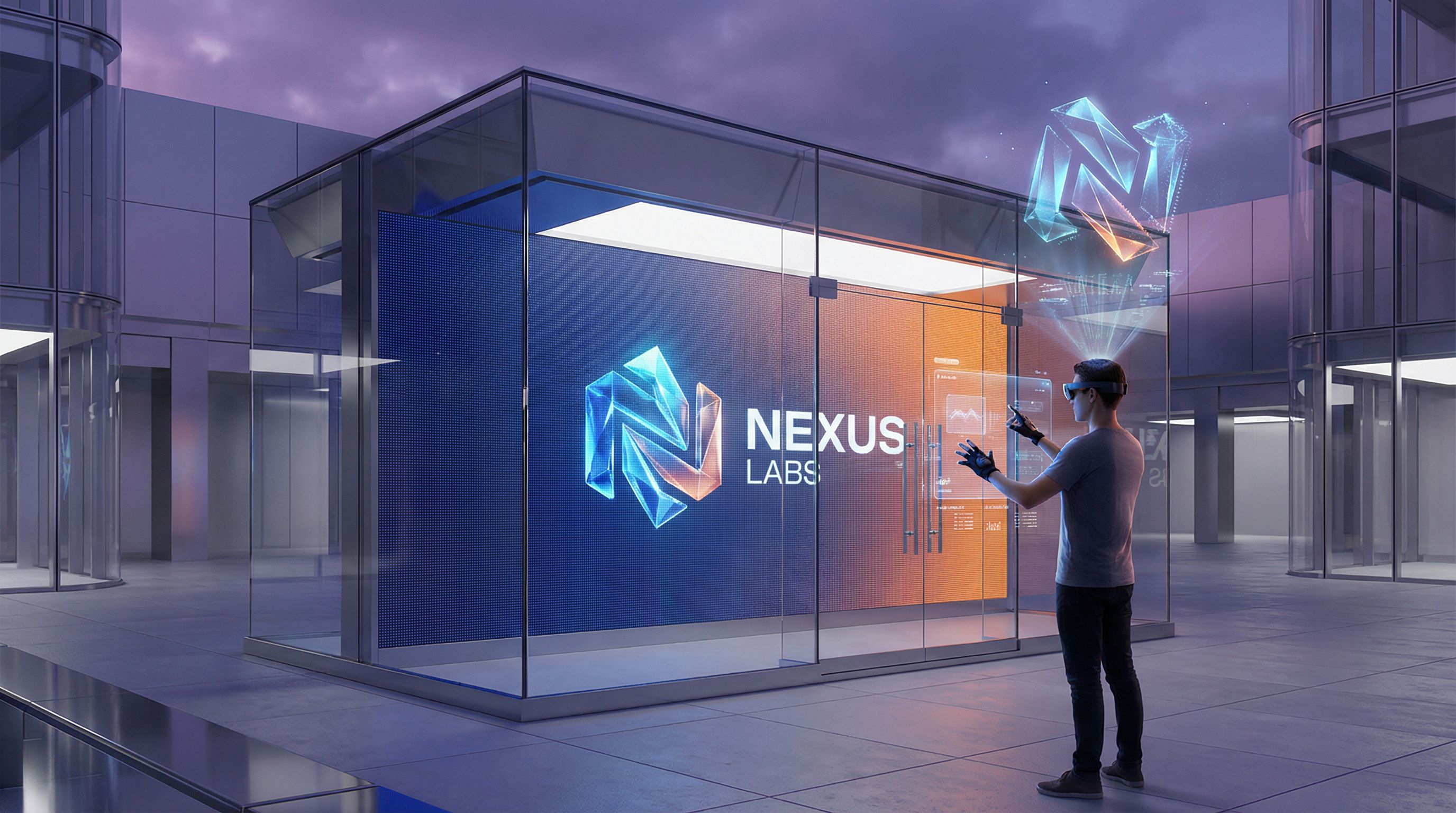
We're only at the beginning of adaptive branding.
In the next phase, brands will become truly sensory. Imagine entering a virtual store where your brand identity isn't just visual—it's also sonic (your brand sound adapts), tactile (haptic feedback matches your brand personality), and even olfactory (scent suggestions aligned with your brand mood).
AR and VR create entirely new contexts for brand identity. Your logo doesn't exist on a 2D screen anymore. It exists in three-dimensional space, responding to lighting conditions, camera angles, and user proximity. AI will adapt the visual in real-time to remain readable and appealing from any perspective.
Brands will also evolve alongside their audiences. A brand that starts as edgy and rebellious might need to mature as its core audience ages. AI systems will enable smooth, planned evolution—shifting tone and visual language over years without feeling jarring or inauthentic.
The critical skill for 2025 and beyond? Knowing what shouldn't change. Your brand's core values. Its essential promise to customers. Everything else becomes fluid.
According to How AI Is Changing Brand Identity in 2025, emerging AR/VR integration is creating immersive sensory brand experiences where identity goes beyond logos and taglines into total sensory experiences.
This is the designer's ultimate challenge: defining the permanent and designing the parameters for everything else. It requires strategic thinking, deep brand knowledge, and comfort with letting AI handle execution.
But here's what's exciting: it finally frees designers from the template treadmill. We get to focus on the work that only humans can do—understanding culture, interpreting emotion, making choices rooted in empathy and insight. AI handles the rest.
Designing Human-Centered AI: The Honest Truth About Trade-Offs
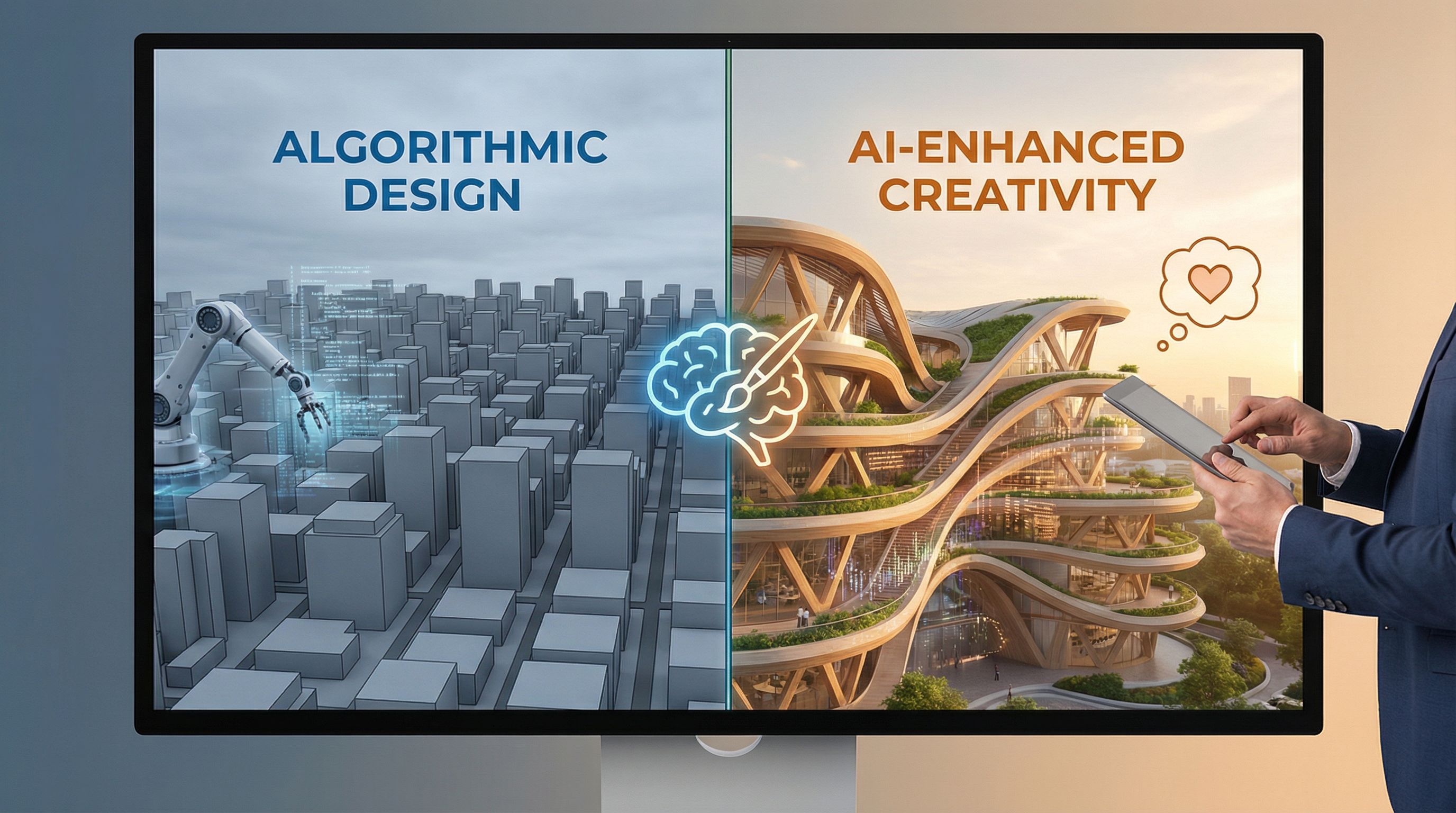
I need to be straight with you: AI-powered adaptive branding comes with real challenges.
First, there's the risk of over-personalization. A brand that adapts too much to individual preferences starts to feel incoherent. Your audience needs to recognize your brand across contexts. The balance between adaptation and recognition is delicate, and there's no AI that can perfectly optimize it.
Second, there's the data question. To make personalized adaptive branding work, you need data about your users. That raises privacy concerns. If you're tracking color preferences, animation tolerances, and engagement patterns, you're collecting intimate behavioral data. You need to be transparent about this. Your audience has a right to know they're being designed for, not designed at.
Third, there's authenticity. A brand generated entirely by algorithms, with no human creative vision behind it, feels hollow. People sense when something has been designed with love versus designed for efficiency. AI should enhance human creativity, not replace it. The best adaptive brands still have a human point of view embedded in their system.
Finally, there's the skill gap. Building truly adaptive brand systems requires designers who understand both creative strategy and system thinking. It's not just about making things look good—it's about defining rules, parameters, and feedback loops. Not every designer is ready for that shift, and that's okay. But if you want to lead in this space, you need to develop both sides of your brain.
Here's my honest take: AI is a tool that amplifies human judgment. If you use it thoughtfully—to serve your audience, respect their privacy, and maintain brand authenticity—you can create experiences that feel personal without feeling creepy. If you use it to optimize everything, you'll end up with something forgettable.
The brands winning in 2025 aren't the ones with the fanciest AI. They're the ones where AI serves a clear human strategy. Where adaptation has purpose. Where personalization is built on respect.